BE IN THE FRONT ROW FOR THE GREAT MIGRATION!
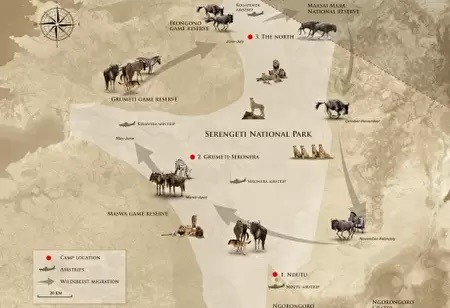
Laba Migration Camp is mobile while maintaining luxury and comfort. Three strategic locations are offered throughout the year:

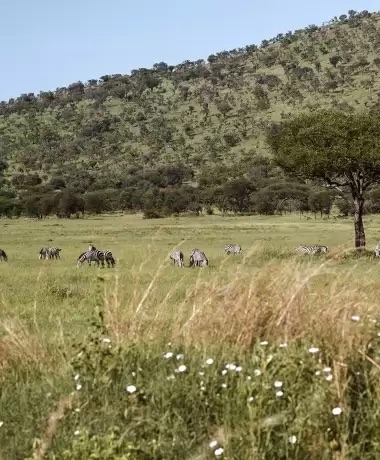
  • December 10 to March 31: Ndutu, in the southern Serengeti, where wildebeest and zebras migrate for the calving season.

  • May 15 to June 30: Western Serengeti, a key gathering area for herds and newborns before the move north.

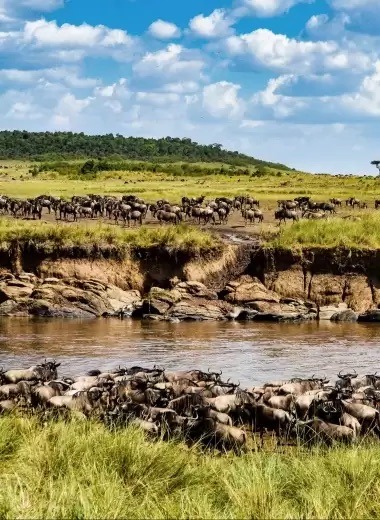
  • July 10 to November 19: Kogatende, in the northern Serengeti, where the herds cross the Mara River to reach the Maasai Mara.

Migration Camp is renowned as the most luxurious mobile camp in Tanzania. Its high-end bedding, dressed in organic cotton satin sheets, promises deeply restful nights, lulled by the sounds of the surrounding wildlife…

FRONT-ROW SEATS TO THE GREAT MIGRATION

Like the herds themselves, the LABA Migration Camp is mobile. It follows the key stages of the Great Migration — three major movements each year — to offer you front-row seats to this extraordinary natural spectacle.

Each site is carefully chosen and enhanced by the camp’s very structure, which is completely open to the surrounding wilderness.

Your safety is ensured at all times by Maasai guides, for whom this natural environment and the behavior of wild animals hold no secrets.

Beyond the countless wildebeests that dominate the landscape, you’ll also encounter the five species that make up the Big Five — a term coined by hunters during early 20th-century African safaris — namely the lion, leopard, elephant, rhinoceros (though in smaller numbers), and the African buffalo (Syncerus caffer). The park is also home to hyenas, cheetahs, zebras, giraffes, birds of prey, and many other species.

This abundance of wildlife has given rise to a thriving local economy centered around what is often called ecotourism, and Tanzania is now highly committed to managing this natural wealth responsibly — both through conservation policies and a dedicated tax system for tourism activities.

Near the park lies Olduvai Gorge, where numerous fossils and human remains have been unearthed. The park also borders the Ngorongoro Conservation Area and forms part of the greater Serengeti ecosystem. It is listed as a UNESCO World Heritage Site. The administrative authority overseeing all national parks in Tanzania is the Tanzania National Parks (TANAPA).